 Ever noticed a speculative element in a book being treated in a cursory manner, or not taken too seriously? I have and it’s a problem for me. Fantasy and science fiction books are my favourite reads and are hugely popular with many – but obviously are not to everyone’s taste. So is it good news when a mainstream author dabbles in fantasy or sci-fi? In theory yes, for example bringing some wider audiences along and reducing the stigma, but in practice I’d say it doesn’t always work.
For me when an author doesn’t take the fantasy element seriously enough it can damage the story’s credibility overall. Credibility in fantasy? Absolutely – I would say it is even more important than in contemporary fiction. Fantasy is a medium for what-ifs, but that doesn’t work if the characters are not believable, or if the make-believe world is poorly imagined. For example you might say it is relatively easy to set any story in a dystopian world to give it a twist, but is it so straightforward? I loved Ursula K Le Guin’s recent review in the Guardian (On Such a Full Sea by Chang-rae Lee) where she addressed this issue excellently. Although I haven’t read the book she reviewed, I found myself cheering as I read her words.

Contrast this dabbling with the skilful writing of China Miéville for example. He is able to hop genres and craft fantasy that if you described it out of context would sound preposterously unbelievable. And yet he achieves highly credible and thoroughly engaging stories. I found that giant moth creatures sucking out sentience from people was highly believable, because they were embedded in a great story and written in a way that made you somehow unable to doubt it.
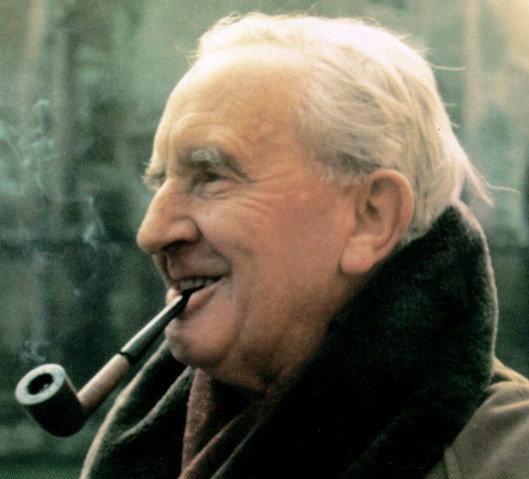
Tolkien was a master of course – everyone knows Middle Earth exists.
Stephen King is another example, topiary hedge creatures moving when you aren’t looking – absurd mentioned here and yet in The Shining it becomes chilling. Oh and Peter V Brett convinced me that demons rise at night, I had no time to doubt it in a such a believable world filled with scintillating action scenes.
So inspired by these examples I have a plea in two parts:
Let’s take fantasy seriously
- as writers because it is not just something to spice up a story or appeal to a different audience
- as readers because it can be so immensely rewarding to suspend that disbelief!
P.S.
I’ve deliberately avoided negative examples above (apologies to Chang-rae Lee) but would love to hear more positive examples of authors who make you believe irrational things….
 a book published in 1996. Well OK it’s about the current and excellent TV adaptation, but that is of course based on George RR Martin’s A Song of Ice and Fire novels. If you have read them you will know that this is just one element of what makes them great, the shock twists are but a part of a much broader realism and complexity.




 CLIVE ANTHONY